Efficiency is one of the most important factors on any construction site. Delays, labour shortages, and poor material handling can increase costs and extend project timelines. One solution that has significantly improved construction productivity is professional concrete pumping services. By replacing traditional concrete pouring methods with modern pumping equipment, contractors can complete projects faster, safer, and with greater precision.
Faster Concrete Placement
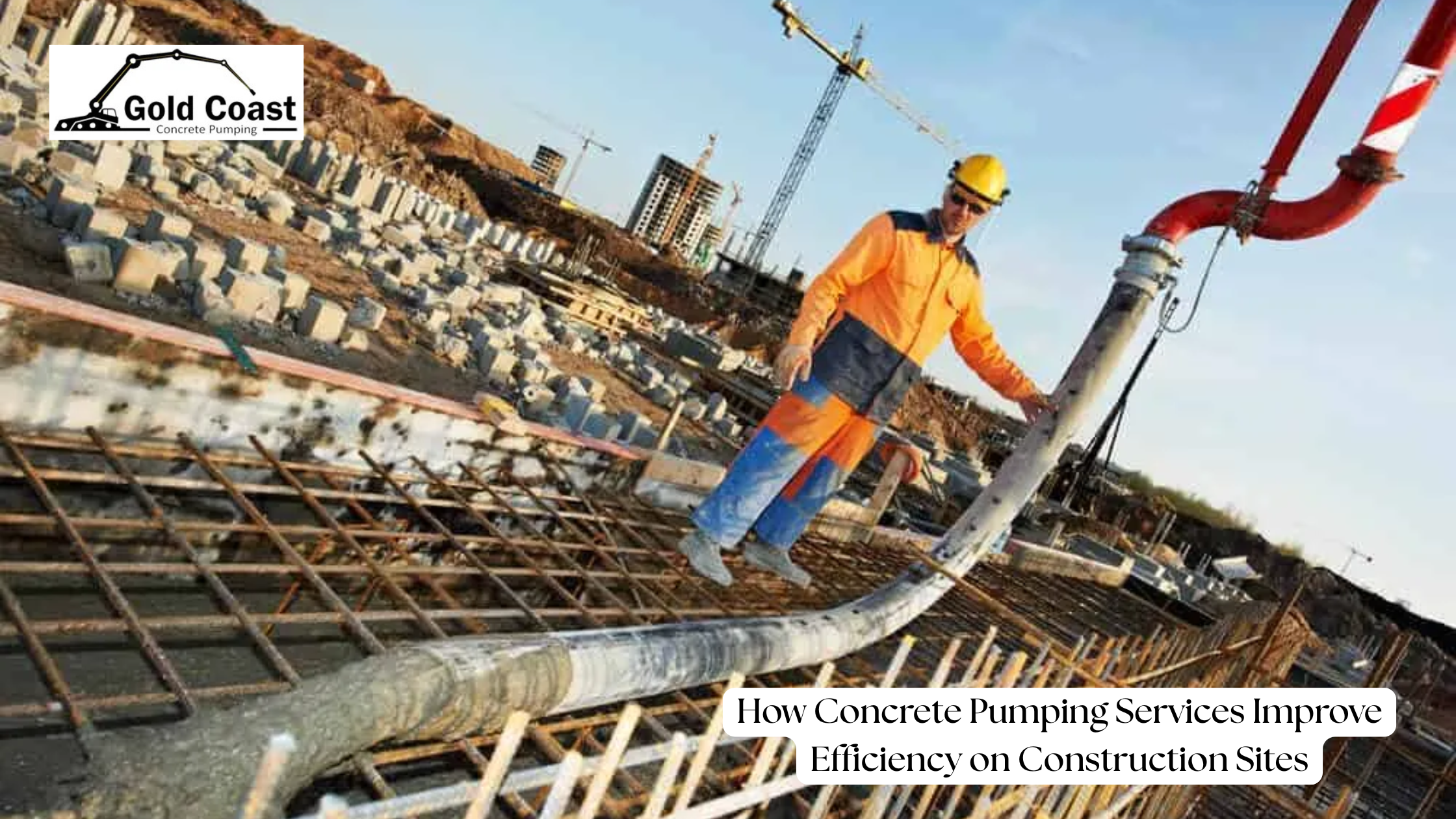
Traditional methods of moving concrete — such as wheelbarrows, cranes, or manual labour — take time and require more workers. Concrete pumping eliminates these slow processes by delivering concrete directly from the mixer truck to the exact location where it is needed.
With a pump system, concrete can be transported quickly through hoses or pipelines across long distances or to elevated areas. This reduces waiting time and allows teams to complete large pours in a fraction of the time. Faster placement means projects stay on schedule and other trades can begin work sooner.
Reduced Labour Requirements
Construction labour costs continue to rise, and skilled workers are not always easy to find. Concrete pumping reduces the number of workers needed to move and place concrete manually. Instead of having a large team transporting heavy loads, a smaller crew can manage the pump and oversee placement.
This not only lowers labour expenses but also reduces worker fatigue. When workers are less physically strained, productivity improves and the risk of mistakes decreases.
Improved Site Safety
Construction sites can be hazardous, especially when heavy materials like wet concrete are involved. Carrying concrete manually increases the risk of slips, falls, and muscle injuries. Pumping services reduce the need for physical handling, creating a safer work environment.
Because concrete is pumped directly into place, there is less equipment movement across the site. Fewer vehicles and less foot traffic lower the chances of accidents. A safer site means fewer delays due to injuries and improved compliance with workplace safety regulations.
Access to Difficult Areas
Many construction projects involve tight spaces, elevated floors, or hard-to-reach areas. Traditional pouring methods may require cranes or extra labour, which increases costs and complexity.
Concrete pumping systems are designed to handle these challenges. Long hoses and flexible lines can navigate around obstacles, reach upper levels, and deliver concrete exactly where it is needed. This flexibility improves workflow and eliminates the need for temporary access solutions.
Better Concrete Quality and Consistency
When concrete is moved manually, there is a higher chance of spillage, segregation, or inconsistent placement. Pumping provides a controlled and steady flow of concrete, ensuring uniform distribution throughout the pour area.
Consistent placement improves structural strength and reduces the likelihood of air gaps or weak spots. Better quality results in fewer repairs and less rework, saving both time and money.
Minimized Material Waste
Material waste can significantly affect a project’s budget. Spilled or improperly handled concrete often needs to be discarded. Concrete pumping minimizes waste by delivering material directly to the required location with precision.
Accurate placement ensures that the right amount of concrete is used, reducing excess material and improving overall cost control. Over time, this efficiency can make a noticeable difference in project profitability.
Improved Project Scheduling
Construction projects rely on tight schedules where multiple trades work in coordination. Delays in concrete placement can push back framing, electrical, plumbing, and finishing stages.
Concrete pumping speeds up the pouring process, allowing the concrete to set and cure on time. This helps maintain workflow continuity and ensures that other contractors can begin their tasks as planned. Efficient scheduling improves client satisfaction and strengthens contractor reputation.
Versatility for Different Project Sizes
Concrete pumping services are suitable for both small residential jobs and large commercial developments. Whether it’s a driveway, house slab, foundation, or multi-storey building, pumping equipment can be adjusted to suit project needs.
This versatility allows contractors to maintain consistent efficiency across various project types. The same system can be used for small pours and large-scale operations, making it a reliable solution for modern construction.
Cost-Effective Long-Term Solution
Although some builders may initially consider traditional pouring methods to save money, concrete pumping often proves more cost-effective in the long run. Reduced labour, faster completion times, minimized waste, and improved quality all contribute to lower overall project costs.
Time saved on-site directly impacts profitability. When projects are completed efficiently, contractors can move on to new jobs sooner, increasing overall business productivity.
Conclusion
Concrete pumping services play a vital role in improving efficiency on construction sites. From faster placement and reduced labour to better safety and improved quality, the benefits are clear. Modern construction demands smart solutions that save time, reduce risk, and control costs — and concrete pumping delivers on all fronts.
For reliable, efficient, and professional service across the Gold Coast region, Gold Coast Concrete Pumping provides expert solutions designed to keep your construction projects running smoothly from start to finish.